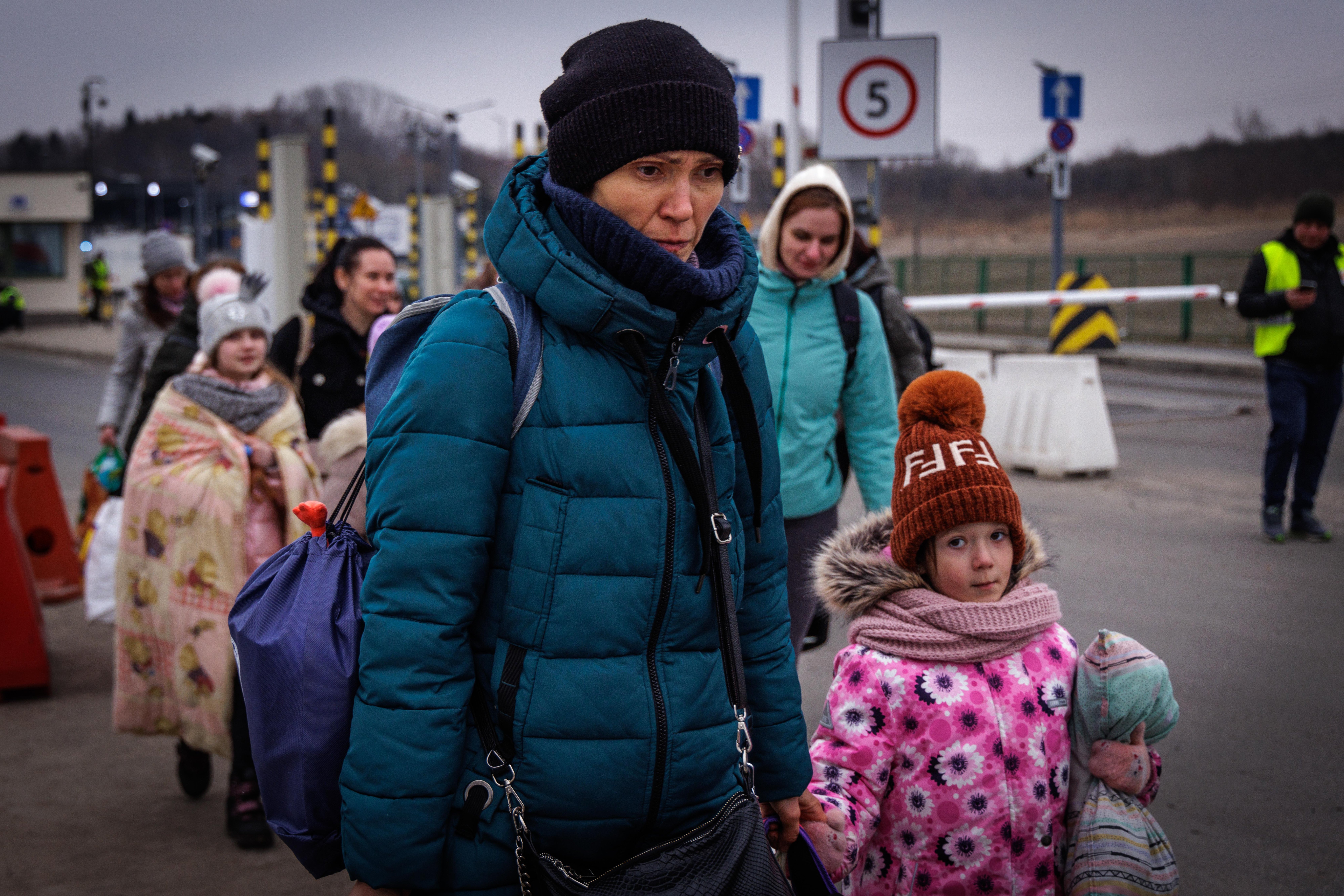
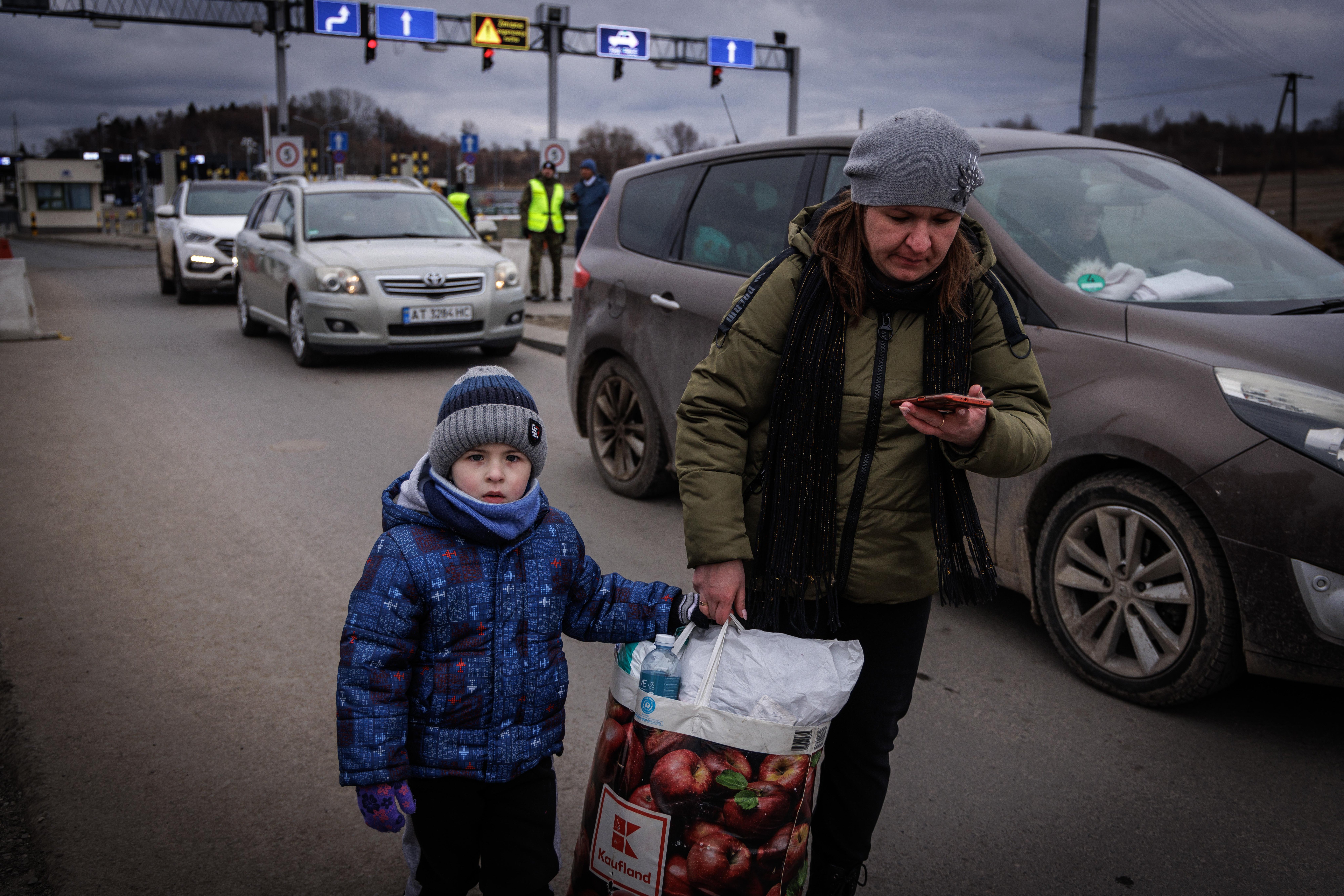
On February 24, 2022, Russia launched its full-scale invasion of Ukraine. Within hours, the largest land war in Europe since 1945 had begun. Missiles struck Kyiv, Kharkiv, and Odesa. Columns of Russian armor pushed south from Belarus and west from the Donbas. By morning, millions of Ukrainians were moving.
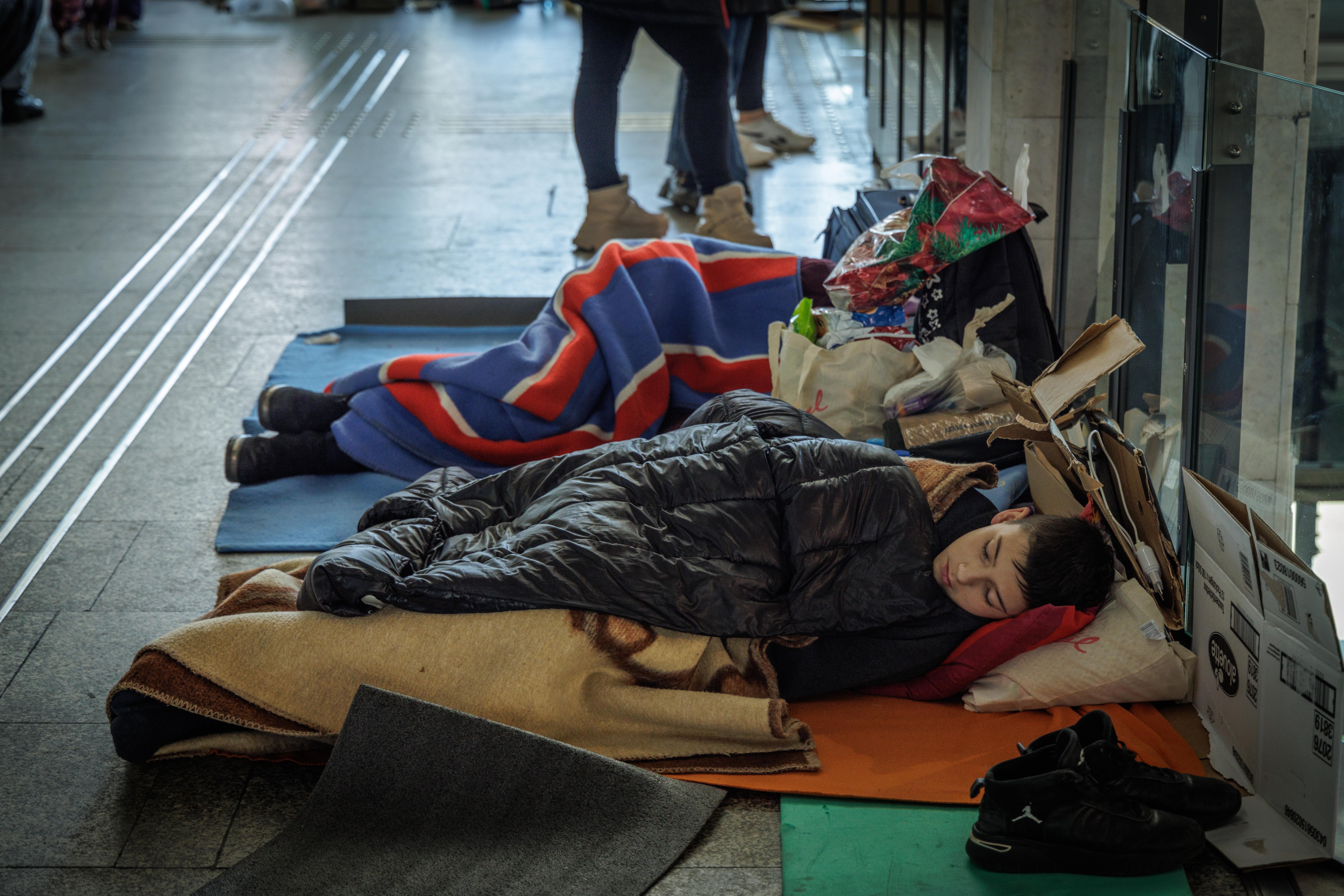
The exodus was immediate and massive. Families packed what they could carry and headed west — by car, by train, on foot. Border crossings that normally processed a few hundred people a day were suddenly handling tens of thousands. Within fifteen days, over two million people had crossed into neighboring countries.
In March 2022, I traveled to the Ukraine-Poland border — spending ten days in the cities and villages of Chełm, Berdyszcze, Hrebenne, and Przemyśl. The atmosphere along the border was electric with uncertainty. NATO had activated its rapid response forces for the first time in the alliance's history. Polish military convoys moved east along the same roads that refugee buses traveled west. Fighter jets patrolled overhead. There was a real, spoken fear that the war would not stop at Ukraine's borders.
Buses arrived in convoys, loaded, and departed in rotation. People were moved from one staging point to the next with an efficiency that resembled freight more than rescue.
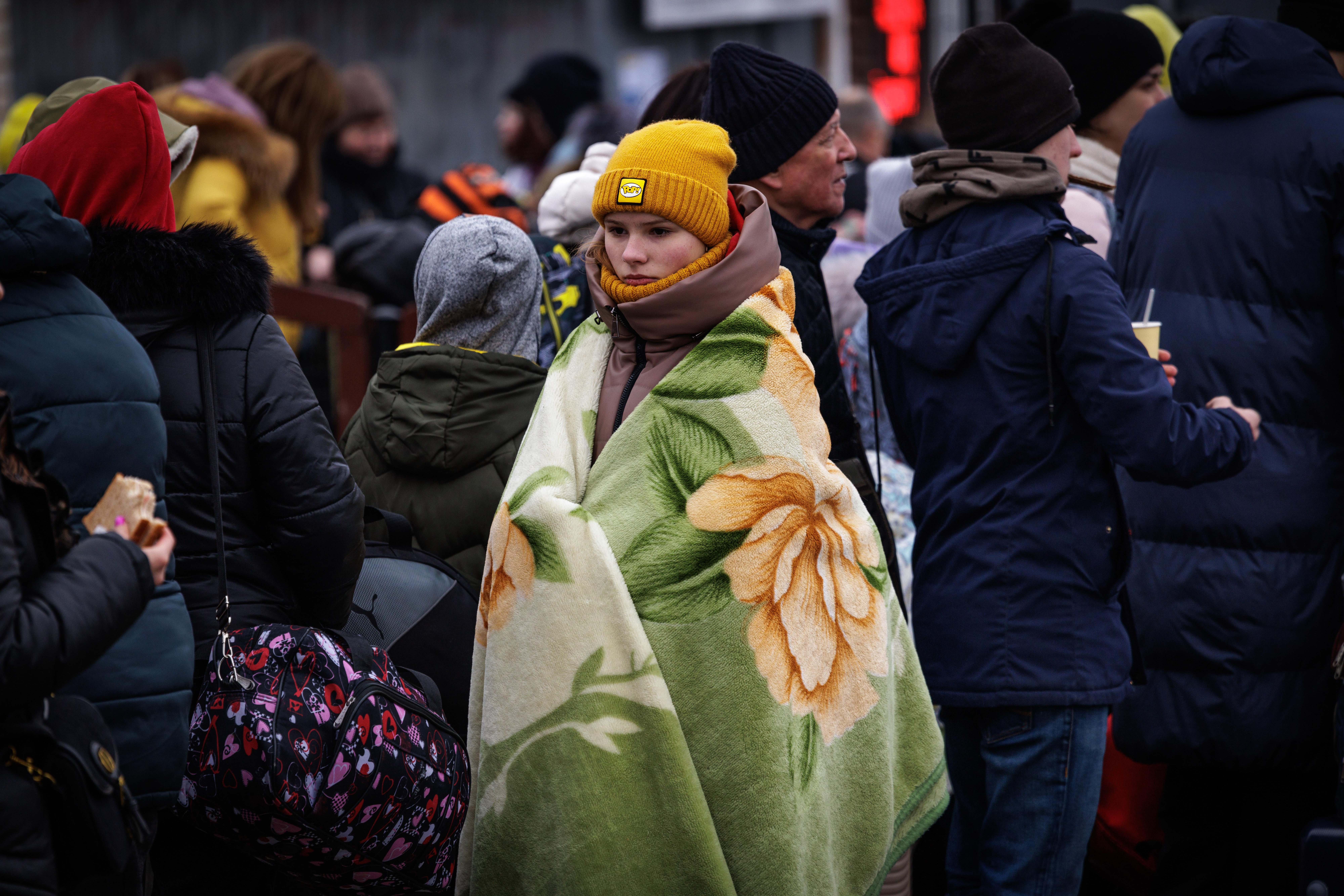
The logistics of displacement moved at industrial scale. Buses arrived in convoys, loaded, and departed in rotation. Refugees were processed through checkpoints, sorted, directed — moved from one staging point to the next with an efficiency that resembled freight more than rescue. Numbers were counted. Documents were checked. People waited in lines that stretched for hours in freezing temperatures, holding children who had stopped crying days ago.
The system worked. But watching it work felt wrong — families reduced to throughput, human beings moving through a pipeline designed to absorb as many of them as fast as possible. The volunteers handing out blankets and the border guards stamping documents were doing everything they could. But the sheer volume turned people into flow.
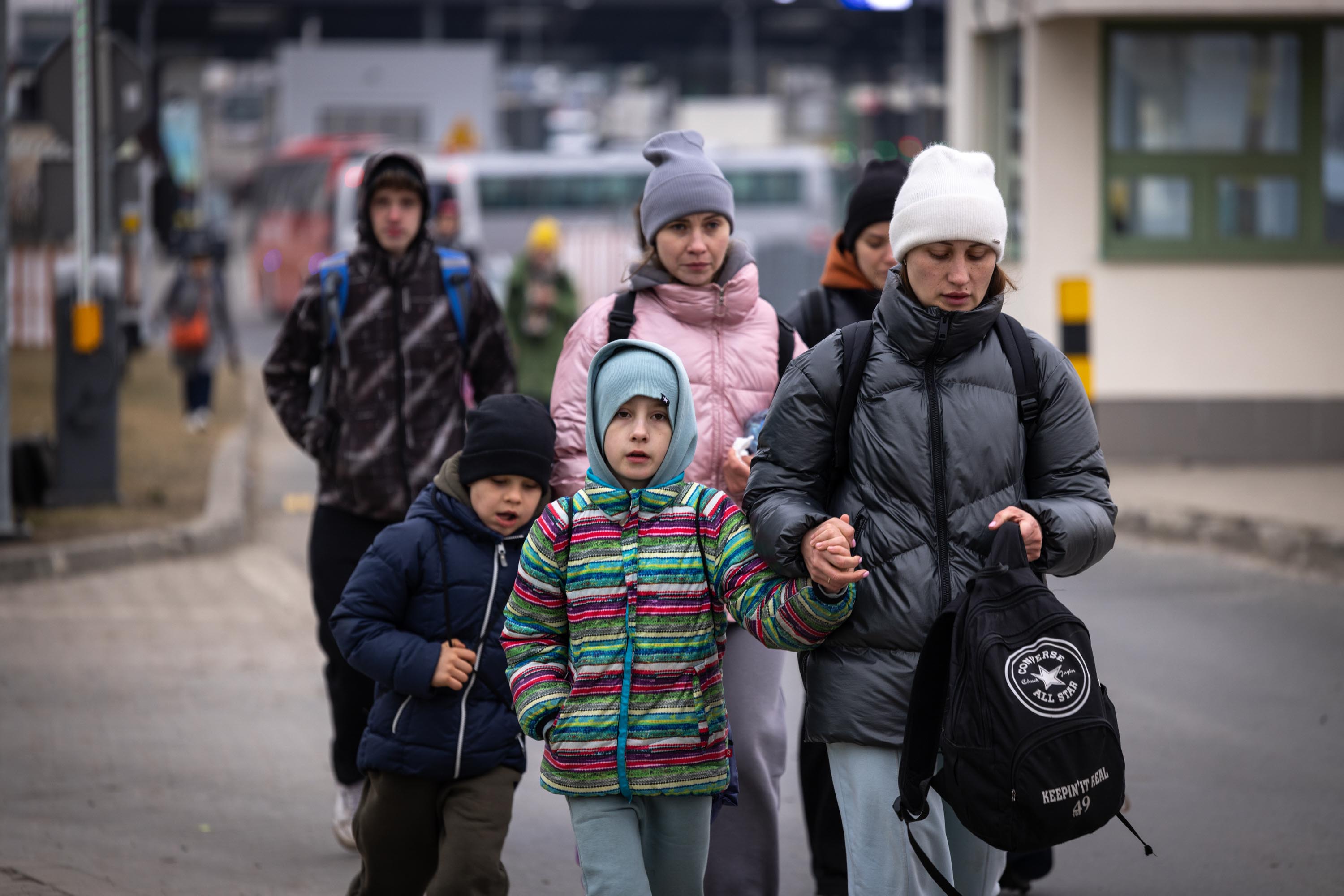
At the crossing points, the scene was orderly but devastating. Mothers, children, infants, and elderly arrived after journeys of up to six days — traveling west through a country under bombardment to reach a border they hoped would hold. Most carried a single suitcase. Some carried less. The men who brought them to the border turned back. Ukrainian law prohibited most men of fighting age from leaving. Families separated at the gate — fathers, husbands, brothers walking back toward the war.
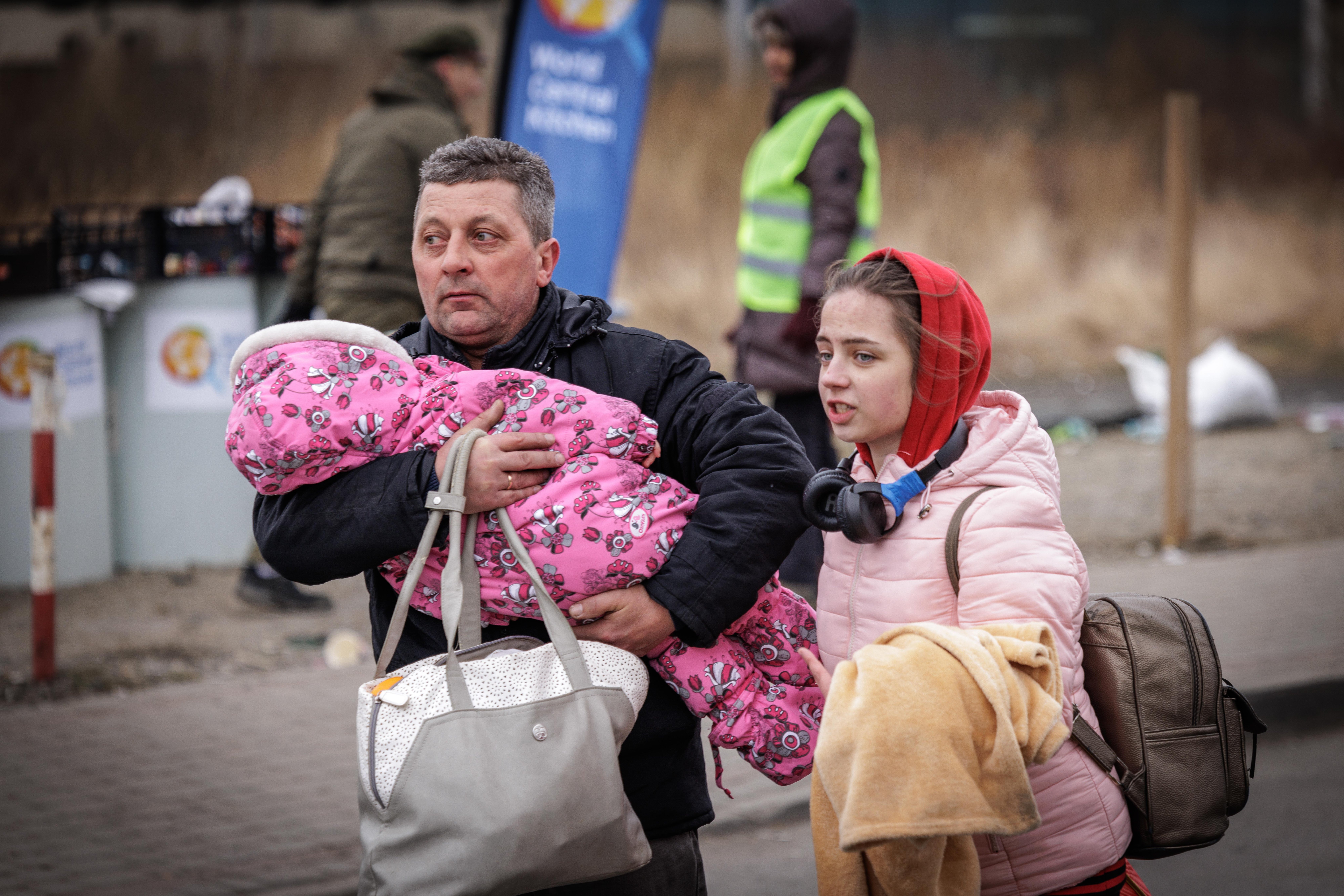
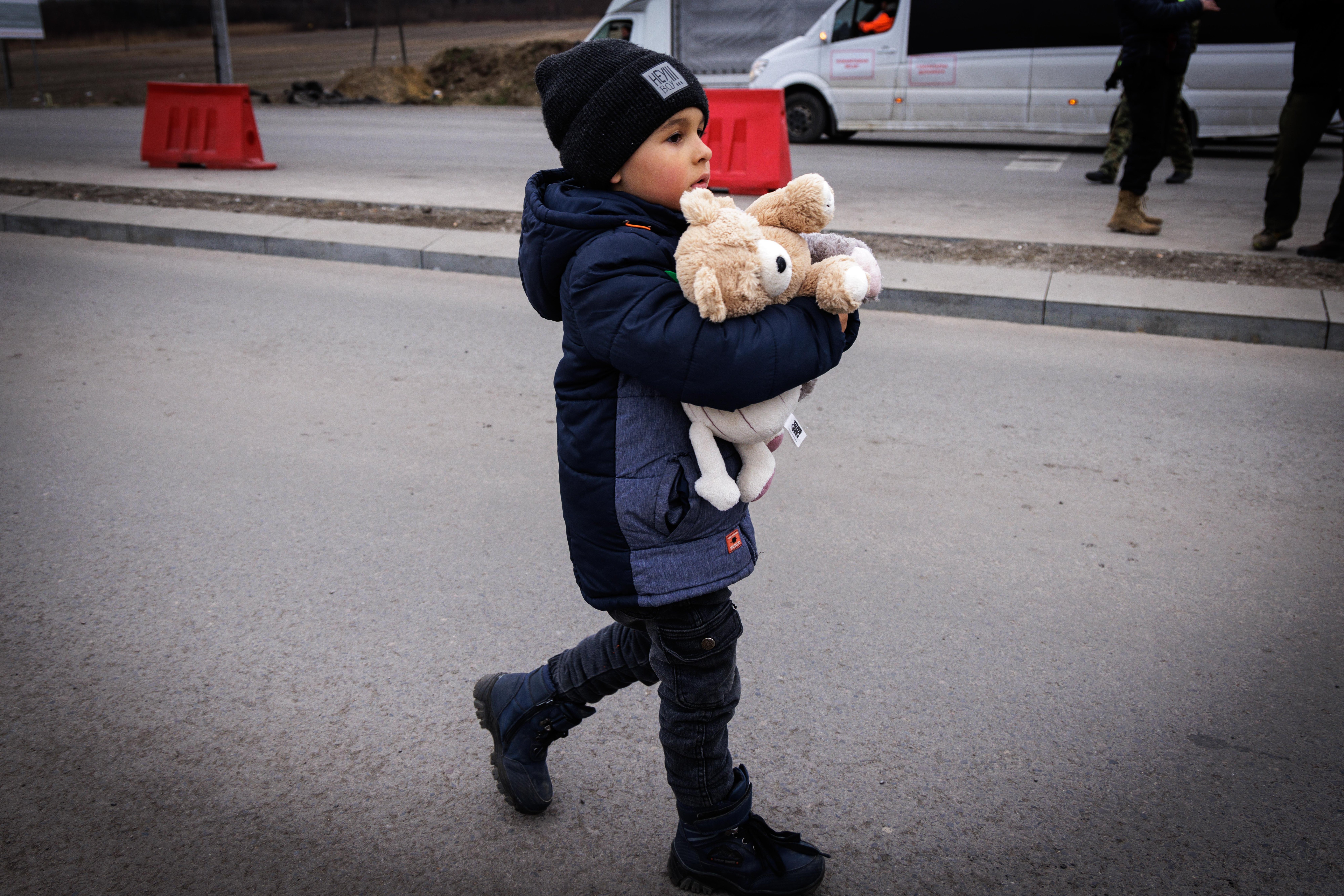
The children arriving at the border carried the war on their faces. Their eyes were shell-shocked — quiet, unfocused, processing something no child should have to process. They held their mothers' hands and kept walking. Some clutched stuffed animals. Others carried rolled blankets strapped to their backs. A boy walked alone across the asphalt holding a teddy bear to his chest, looking somewhere past the camera.
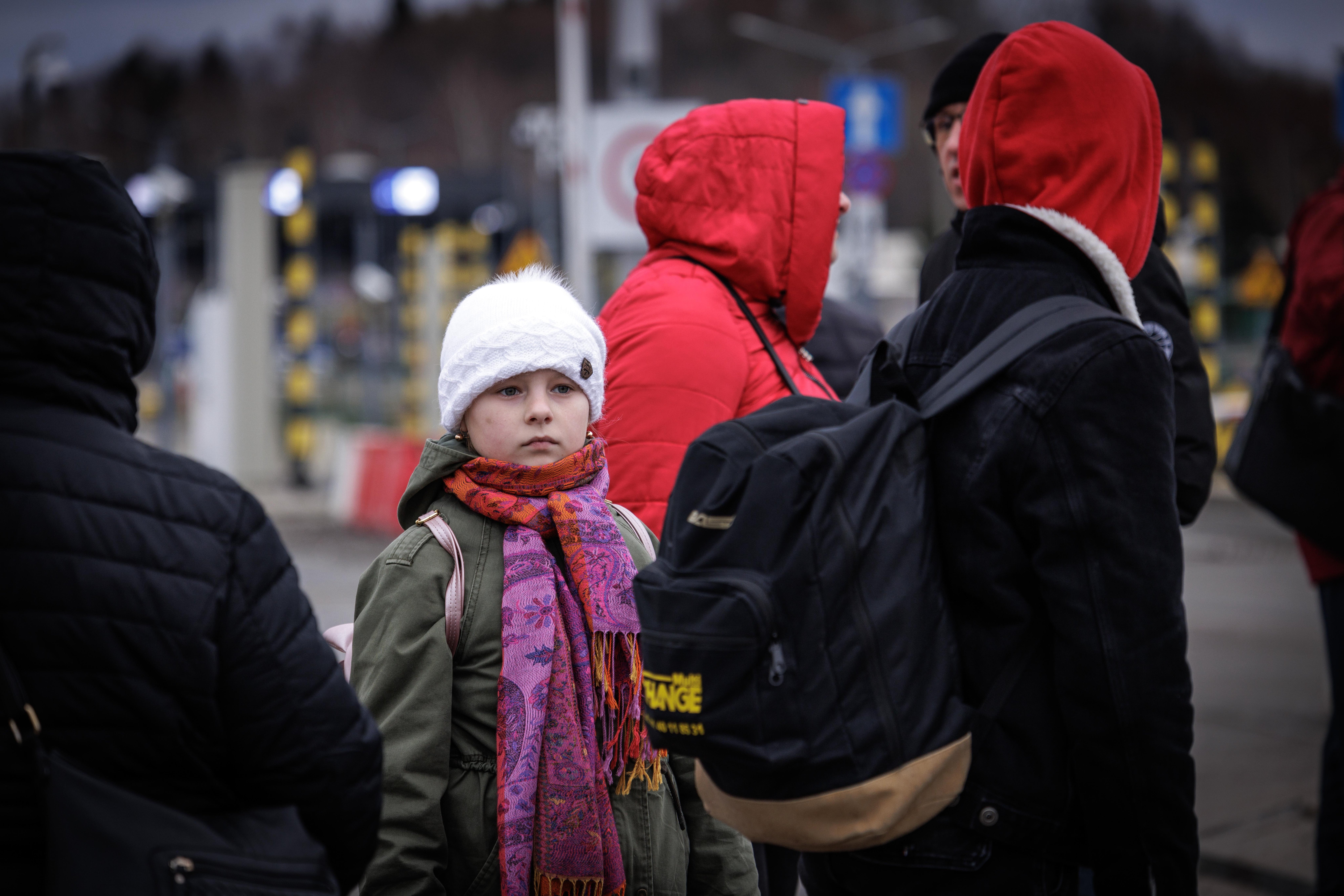
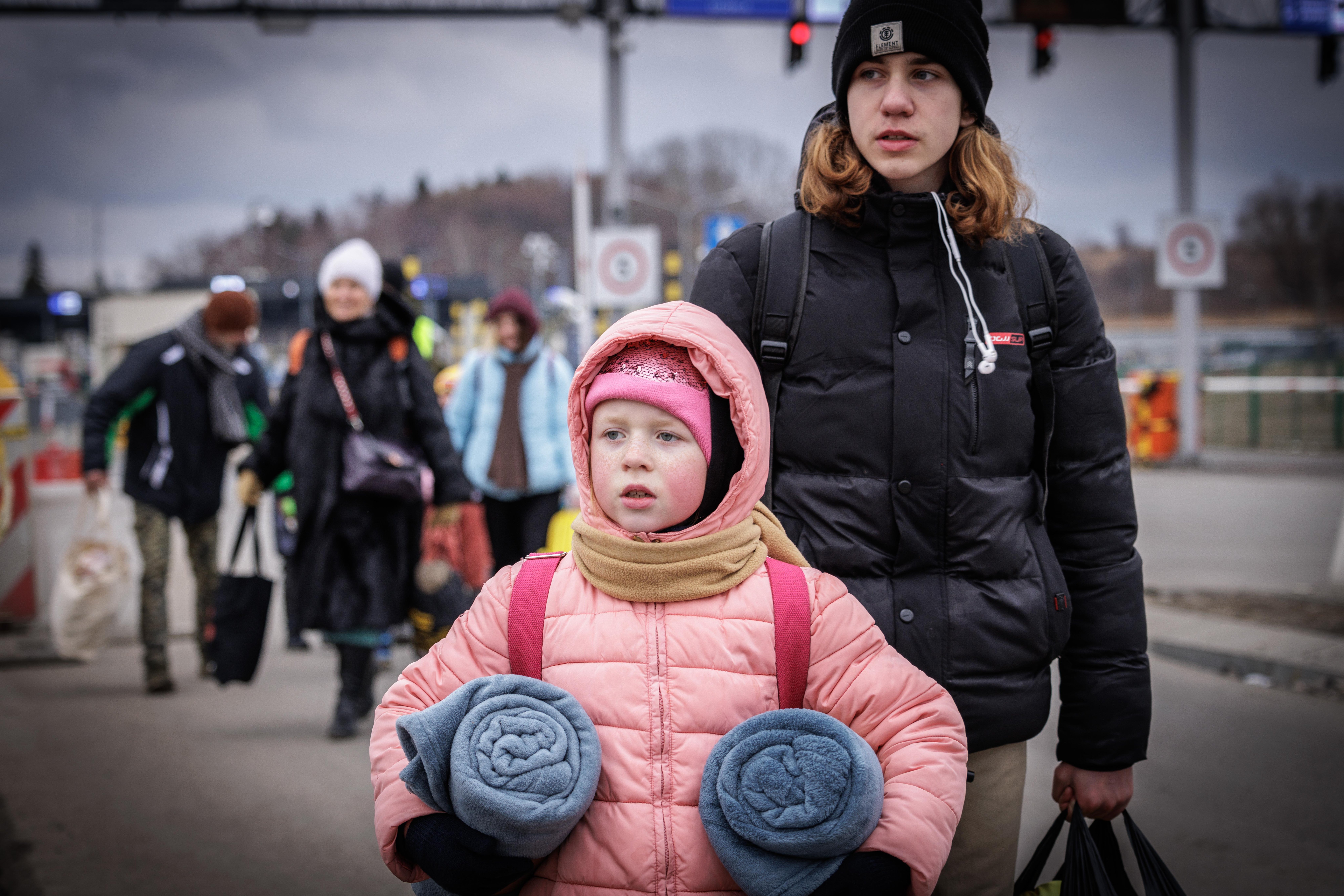
Beyond the frigid temperatures, leaving behind family members, and the long journey west, innocent children are already paying the most for this war.
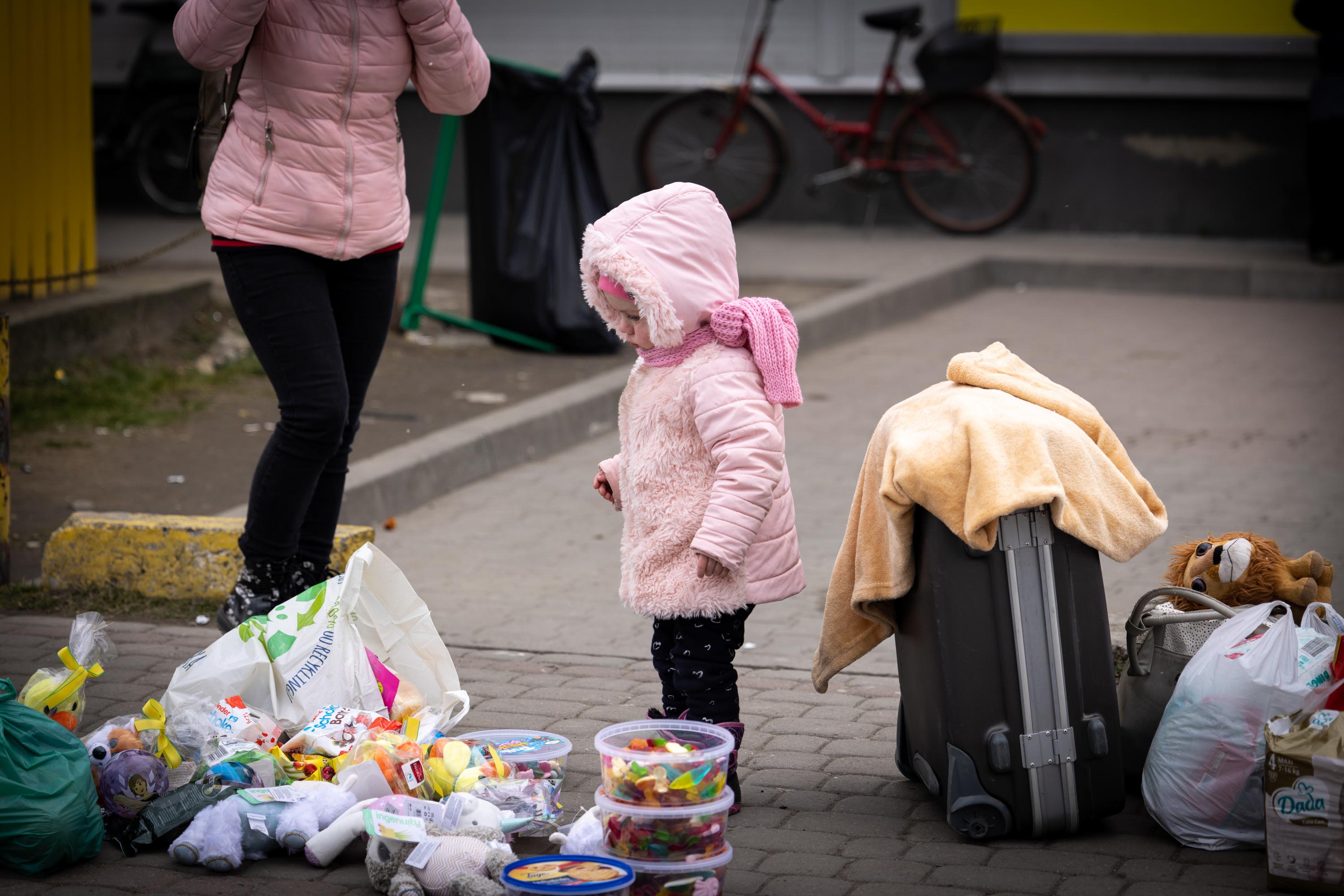
Beyond the crossing, Polish volunteers had organized reception points with food, blankets, clothing, and donated toys. The efficiency was remarkable — an entire civilian infrastructure built in days. But nothing about it felt normal. A toddler in a pink coat stood among donated stuffed animals next to a rolling suitcase. She looked down at the toys the way children look at things they don't yet understand they need.
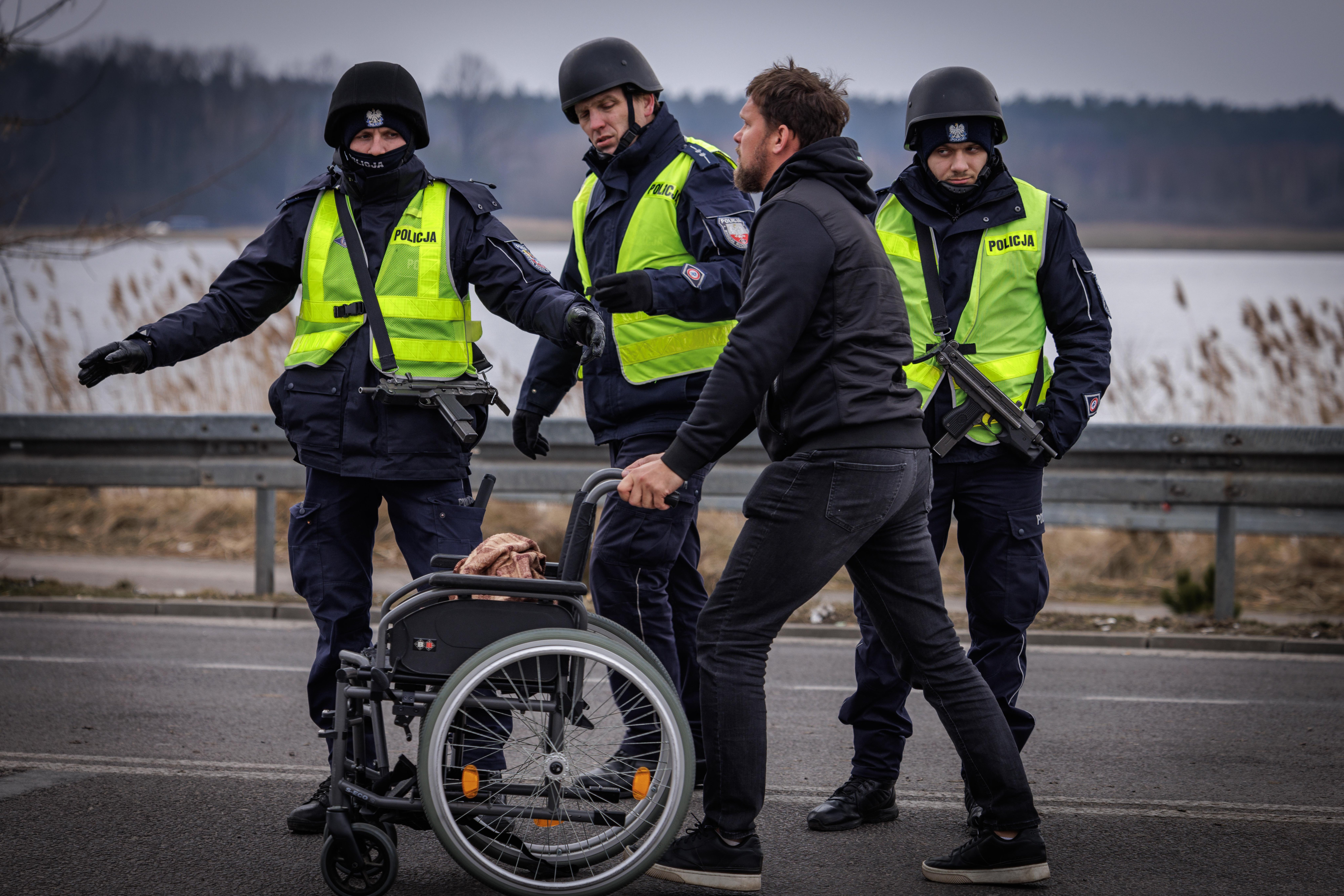
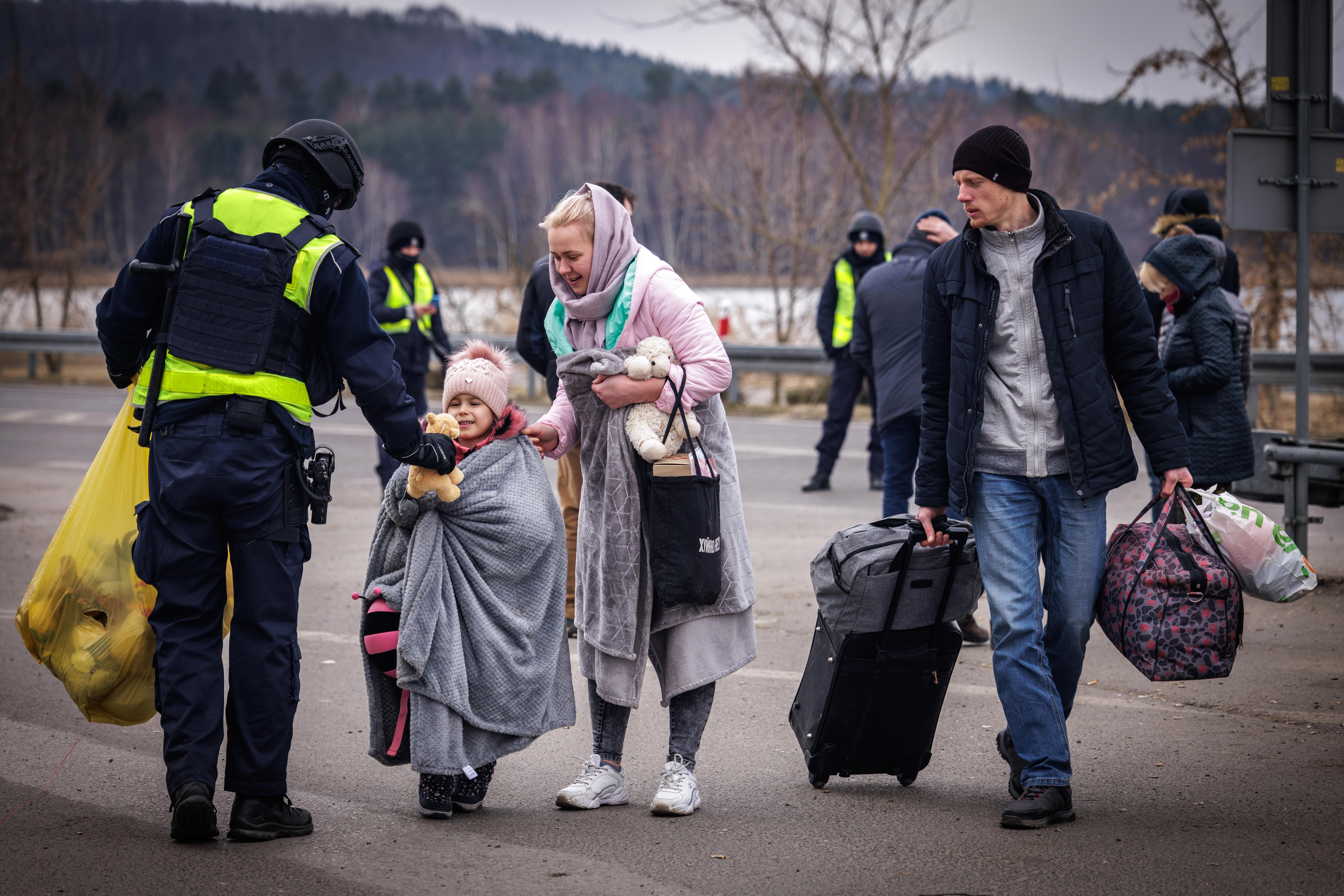
Polish police in helmets and high-visibility vests moved through the crowds — pushing wheelchairs, carrying bags, handing yellow shopping bags of supplies to families with small children. A girl wrapped in a gray blanket clutched a toddler in her lap, both of them sitting on the ground beside their luggage. She stared directly into the lens. The toddler held a lollipop and looked away.
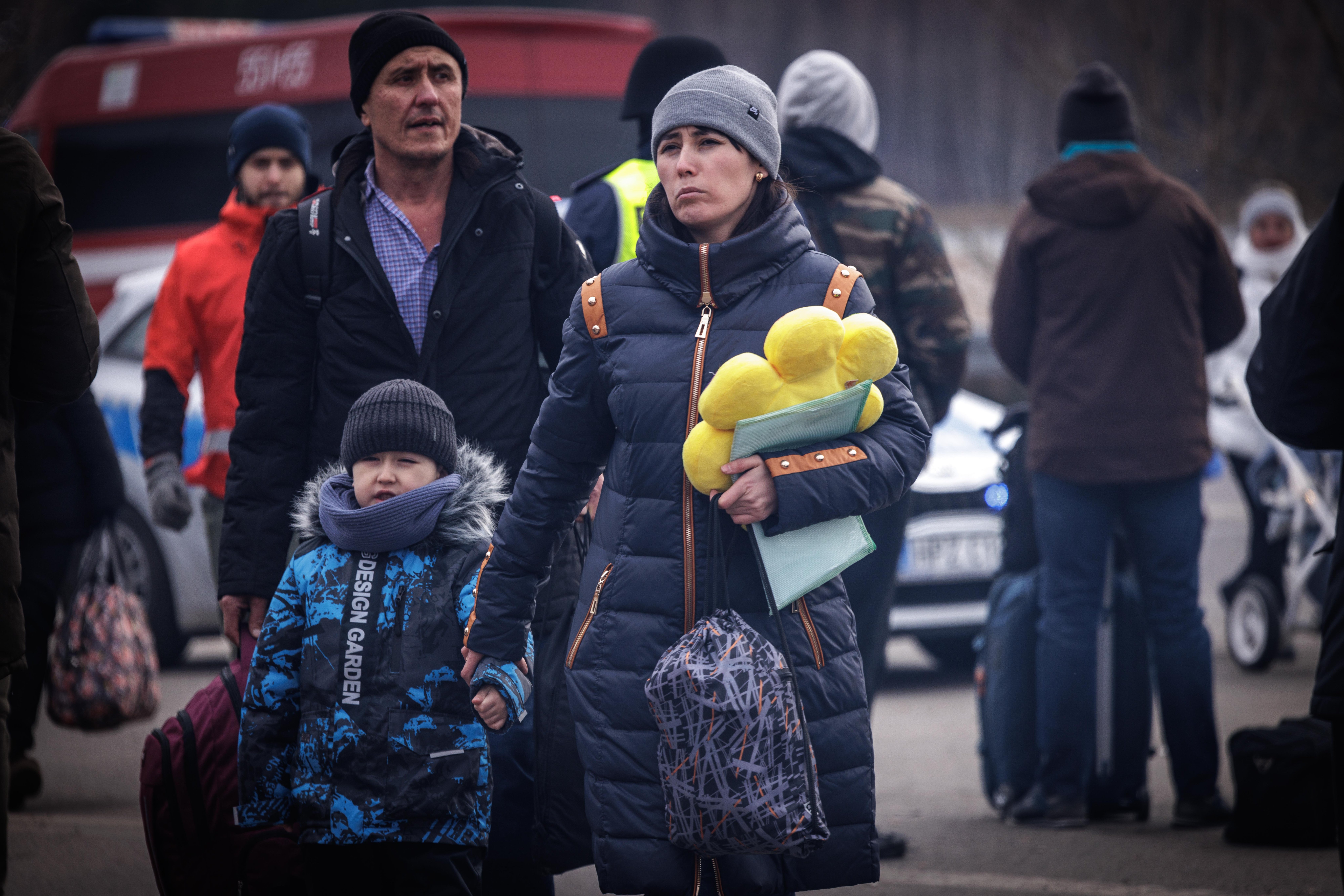
Collectively, the images from this conflict — from every photographer who stood at those crossings — will form the record. And the record is what holds people accountable.
Alexander Carrigg is an American photographer and freelance journalist documenting issues of historical significance including political unrest, conflict, and humanitarian crisis. AlexanderCarrigg.com